
Nuclear plays key role in new jobs recovery plan
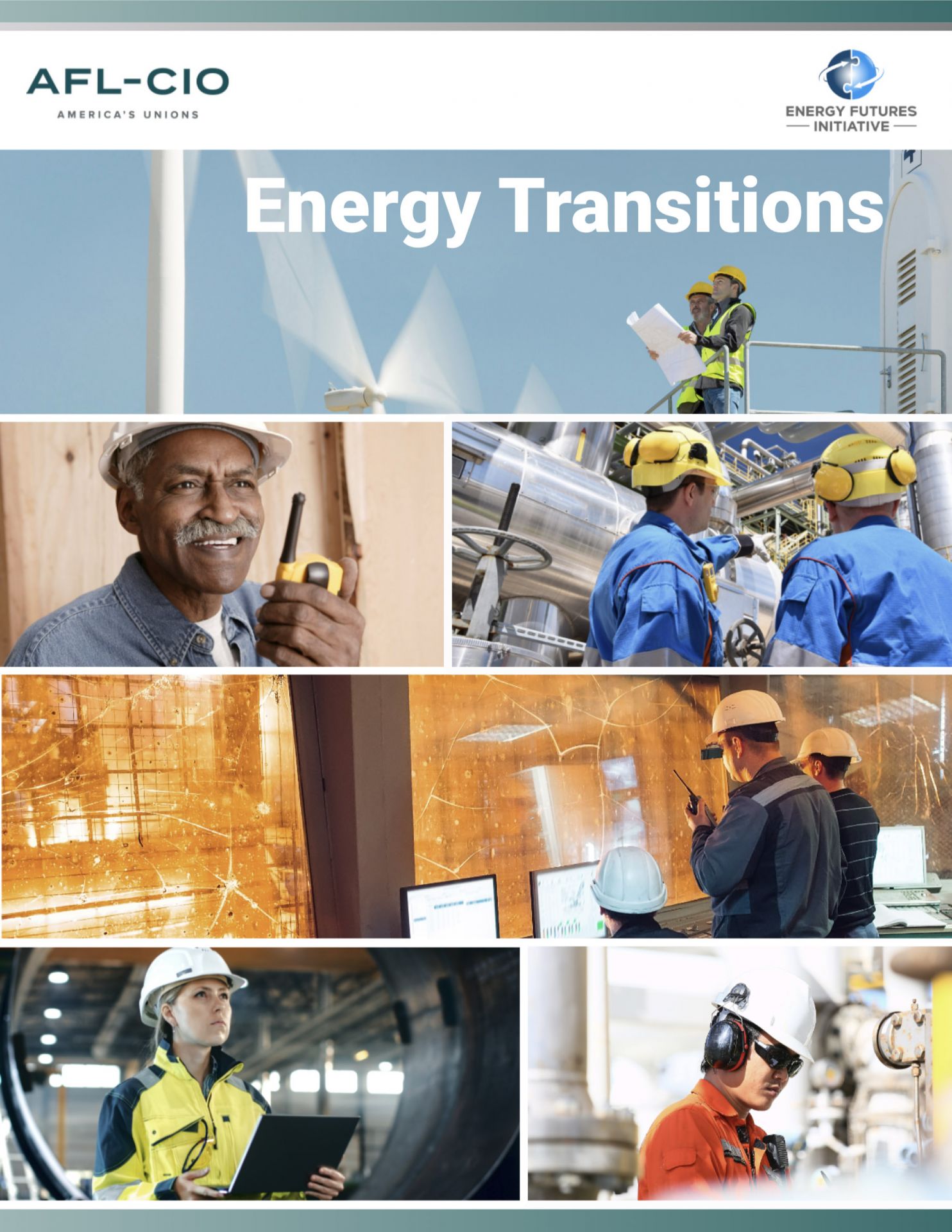 A recently published paper on clean energy policy for economic recovery calls for the preservation of the current U.S. nuclear reactor fleet and the deployment of advanced nuclear technologies.
The paper, Energy Transitions: The Framework for Good Jobs in a Low-Carbon Future, was released last week by the Labor Energy Partnership (LEP), formed earlier this year by the Washington, D.C.–based nonprofit Energy Futures Initiative (EFI) and the AFL-CIO. According to a joint press release from the two organizations, the LEP was established to “develop policy solutions for a 21st century energy system that creates and preserves quality jobs while tackling the climate crisis.”
The LEP is jointly chaired by Ernest Moniz, founder and chief executive officer of EFI and former U.S. energy secretary, and Richard Trumka, president of the AFL-CIO.

 A report just released from the Clean Energy Ministerial’s (CEM) Nuclear Innovation: Clean Energy (NICE) Future initiative examines the potential roles that flexible nuclear energy generation can play in both current and future clean energy systems.
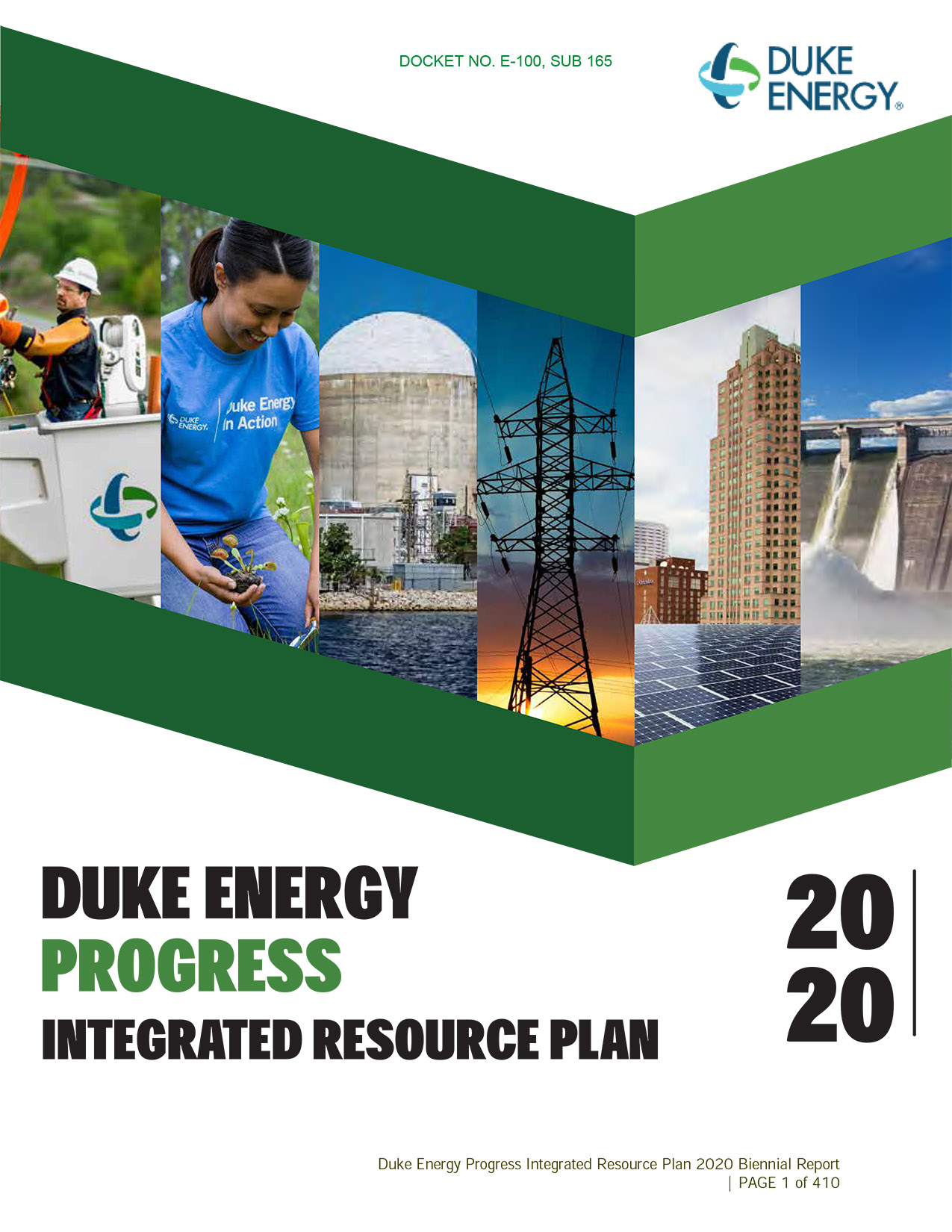 Duke Energy Progress and Duke Energy Carolinas have filed their 2020 Integrated Resource Plans (IRPs) with state regulators, parent company Duke Energy announced September 1.
 The Department of Energy’s Advanced Research Projects Agency-Energy (ARPA-E) is at work developing and demonstrating novel energy technologies and connecting those technologies with private-sector investors. The researchers and innovators behind ARPA-E want to tell you all about it in a series of “Energy Briefs” available through the agency’s